
STF creates rules and limits ‘add-ons’ received by judges and prosecutors: See the new limits
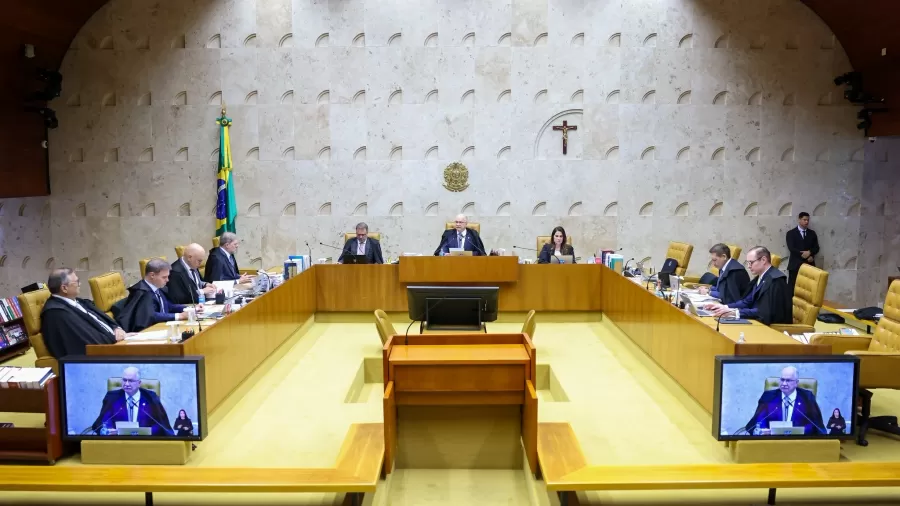
The Supreme Federal Court (STF) has established a new regulatory framework for the remuneration of magistrates and members of the Public Prosecutor’s Office, approving a transition rule that limits the so-called “add-ons” to 35% of the constitutional ceiling. The decision, which aims to bring greater transparency and containment of public spending, estimates annual savings of approximately R$ 7.3 billion to the Union’s coffers.
The STF’s New Thesis and the Limitation of Indemnity Payments
In a historic judgment, the Supreme Court defined that the amounts paid in addition to the monthly subsidy to members of the Judiciary and the MP cannot be unrestricted. The approved thesis establishes that these payments, often treated as indemnities, must respect the limit of 35% of the current constitutional ceiling. Currently, this limit corresponds to R$ 16,228.16, considering that the subsidy of the ministers of the Supreme Court — which serves as a ceiling for civil servants — is R$ 46,366.19.
In addition to the percentage limit, the STF acted restrictively by prohibiting the payment of any benefit that is not expressly listed in a list defined by the Court itself. This measure aims to end the creation of new allowances through local administrative decisions that, historically, raised the remuneration of judges and prosecutors far above what is allowed by the Federal Constitution.
Additional for Time of Service and the Impact on Final Remuneration
Despite the imposition of limits, the judgment also brought clarity about the Additional for Time of Service (ATS). According to the decision, this additional may also be paid up to a maximum of 35% of the ceiling. In practice, this creates a remuneration structure where two distinct limits of 35% coexist. By adding the base salary with the “add-ons” and the service additional, the gross amount received by a magistrate can reach substantial figures.
“With the sum of all authorized benefits, the total amount received by a member of the Judiciary or the Public Prosecutor’s Office may reach up to R$ 78,822.32 per month.”
Why did the STF decide now?
The Supreme Court justified the urgency of the measure due to the inertia of the National Congress in regulating the matter. In election years, the legislative agenda is usually reduced, and the lack of a federal law that unifies the rules of extra-ceiling remuneration allowed the continuation of regional distortions. The current rule will be valid until the Legislative Branch issues a specific rule on the matter.
Main points of the transition rule:
- Indemnity Ceiling: Limited to 35% of the subsidy of a STF Minister.
- Taxative List: Only add-ons provided for in a specific list can be paid.
- ATS: Additional for time of service maintained with its own ceiling also of 35%.
- Expected Savings: Drastic reduction of public spending in the order of R$ 7.3 billion per year.
National Political Scenario: Atlas/Bloomberg Survey
While the Judiciary defines its internal rules, the political scenario for 2026 is beginning to take shape. Recent polls indicate a sharp polarization. For the first time, Senator Flávio Bolsonaro appeared numerically ahead of the current president Lula in a second-round simulation, registering 47.6% against 46.6% of the current leader.
This technical tie reflects a growing trend of the opposition, which also presents competitiveness in scenarios involving Michelle Bolsonaro and Governor Tarcísio de Freitas. Electoral volatility and the proximity of the elections partly explain why sensitive issues such as the privileges of the public sector are at the top of the STF’s agenda.
Digital Responsibility: Convictions of Technology Giants
Outside Brazilian borders, Digital Law suffered a seismic impact with the judicial conviction of Google and Meta (Facebook/Instagram) in the United States. A jury in Los Angeles found the companies guilty of deliberately developing interfaces that cause addiction to social networks. The conviction focuses on persuasive design and the architecture of the platforms, and not on the content posted by third parties.
This decision sets a global precedent for lawyers and legislators seeking to hold technology companies accountable for the psychological effects of their products. While Snapchat and TikTok sought prior agreements, Meta and Google faced the defendant’s bench, signaling that the era of immunity of “Big Techs” regarding addictive design may be coming to an end.
Conclusion: A Balance between Efficiency and Legality
The recent movements of the STF and the global legal scenario demonstrate a search for greater institutional control — whether over public spending and benefits of the civil service elite, or over the excessive influence of digital platforms in citizens’ lives. The 35% limit for extra benefits seeks to balance the recognition of the legal career with the administrative morality required by the taxpayer.
For citizens and legal professionals, it remains to be seen how the National Congress will react to the STF’s provocation and whether the “transition rule” will become permanent or whether it will undergo modifications when it is finally taken to the legislative plenary.